Wearable Art: How Fashion Became a Canvas for Personal Expression
Walking through Art Basel a few years ago, I stopped in front of a piece that looked like a deconstructed evening gown frozen in resin. It was technically a sculpture, but it hung on the wall the way a coat hangs in a closet. That moment stuck with me because it blurred the line between what we hang on walls and what we put on our bodies. Since then, I have watched the idea of wearable art move from gallery installations into everyday closets, and the shift has changed how we think about fashion, identity, and the stuff we buy.
Wearable art is not a new concept. Designers like Alexander McQueen and Iris van Herpen have been pushing fabric into sculptural territory for decades. But what used to live only on runways or in museum cases now shows up at farmers markets, on Etsy shops, and in the work of independent makers who treat a jacket like a canvas and a pair of earrings like a miniature sculpture. The difference today is access. You no longer need a couture budget to own something that feels like a one-off piece.
What Makes Something Wearable Art?
At its simplest, wearable art is clothing or accessories that prioritize artistic intent as much as function. A hand-painted sneaker is not just footwear. It is a portable painting. A beaded cuff made by an artisan jeweler is not just an accessory. It is a tiny mosaic that took hours to assemble. The same goes for statement necklaces made from recycled metals or 3D printed jewelry that could not exist without digital modeling software. The object serves a purpose, but it also asks to be looked at.
This category overlaps with textile art and fiber art, two fields that have long lived in the craft world but are now crossing into fashion. Think of a coat made from hand-dyed fabric with custom embroidery running down the sleeve. That coat keeps you warm, but it also tells a story about the maker, the materials, and the time invested. That is the heart of wearable art. It resists the throwaway logic of fast fashion and asks for a different kind of relationship between person and object.
The Role of Craft and Customization
One of the most practical ways wearable art enters daily life is through customization. Bespoke apparel has always existed for people with money and a tailor on speed dial. But platforms like Etsy have opened the door for smaller makers to offer personalized gifts and custom pieces at prices that feel reasonable. A customer can commission a hand-painted denim jacket with imagery that matters to them, or order a pair of earrings in a specific color combination. That level of input turns a purchase into a collaboration.
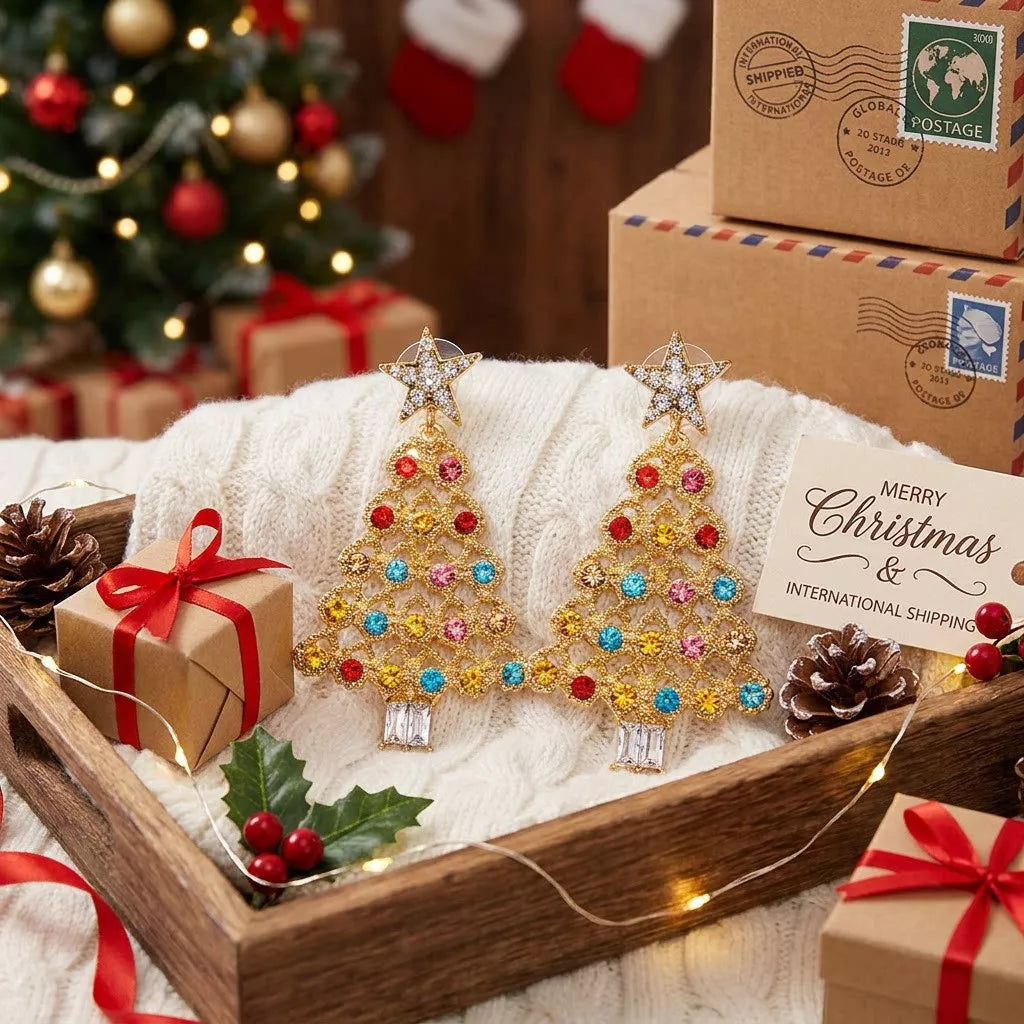
Custom embroidery is another entry point. I have seen people take a plain linen shirt and add embroidered initials, a favorite flower, or a small abstract design. The shirt becomes a signature. It is no longer a factory item. It is something that carries a memory. That shift from consumer to participant is part of why wearable art resonates. It gives people a way to express themselves without saying a word.
Slow Fashion and the Appeal of Handmade
The rise of slow fashion has helped wearable art find a natural home. Slow fashion is not just about buying less. It is about buying things that are made with care, that last, and that carry meaning. Upcycled fashion fits here perfectly. A designer who takes vintage scarves and sews them into a patchwork dress is creating something new from something old. That dress cannot be mass produced. It exists in a limited run of one. The same logic applies to artisan jewelry made from salvaged materials or beaded cuffs assembled by hand rather than by machine.
I have owned a pair of hand-painted sneakers for three years. The paint has faded a little, and I like them more now than when they were new. They feel like mine in a way that factory sneakers never did. That kind of attachment is common with wearable art. The object ages, but it does not become obsolete. It becomes a record of where you have been.
Where Wearable Art Shows Up
Wearable art appears in a range of settings, from gallery walls to music festivals. Coachella fashion, for example, often leans heavily on metallic accessories, crochet tops, and layered jewelry that looks more like sculpture than everyday wear. That festival culture has popularized the idea that what you wear can be part of the performance. It is not just about being seen. It is about participating in a visual conversation.
Art Basel, by contrast, offers a more refined stage. Designers like Iris van Herpen show collections that are closer to kinetic sculpture than clothing. Her 3D printed dresses move like water frozen mid-wave. They are not practical for most people, but they push the boundaries of what clothing can be. Alexander McQueen did the same thing with his runway shows, treating each garment as a narrative object. Those high-fashion examples trickle down to smaller makers who experiment with materials and form.
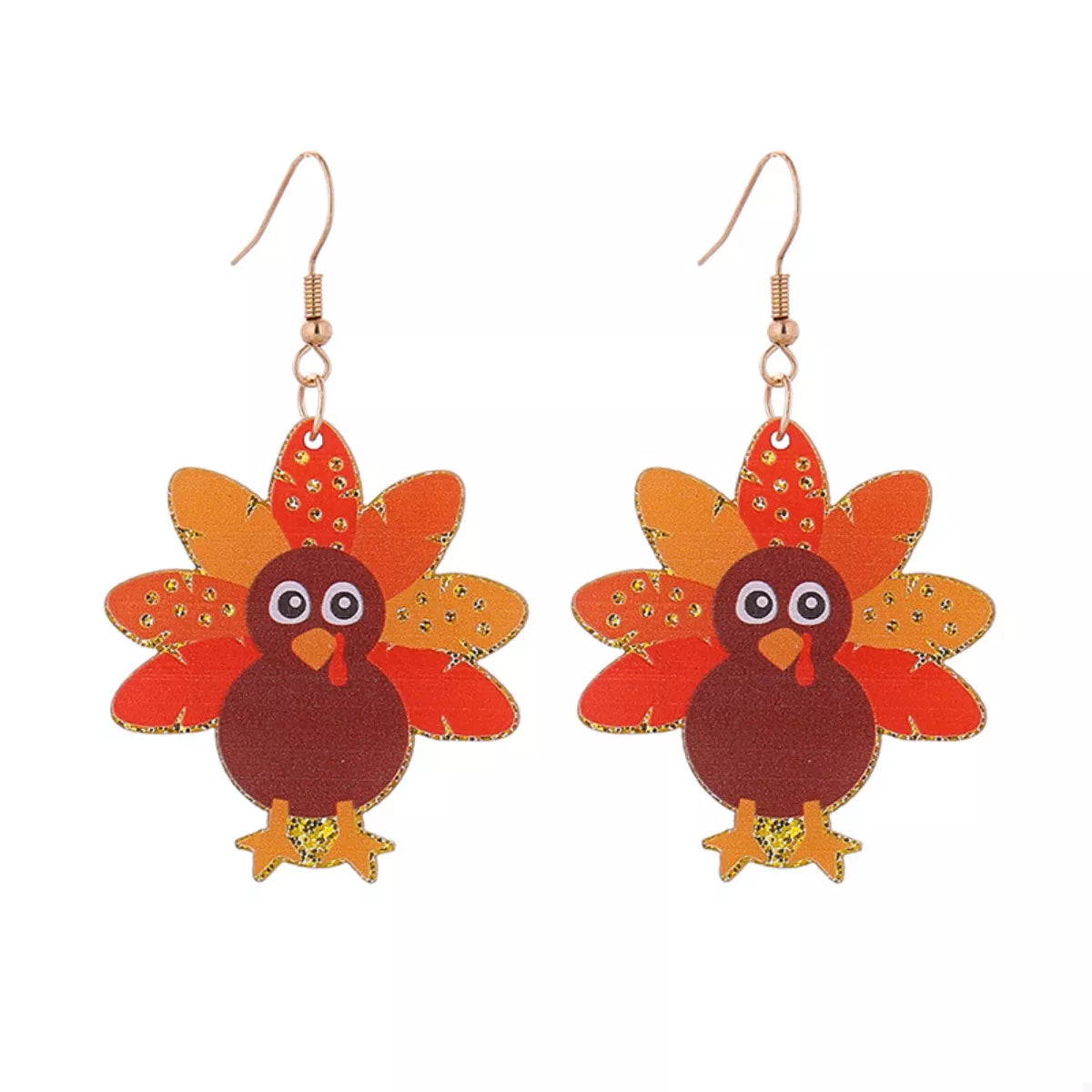
On Etsy, you can find thousands of listings for wearable art at every price point. Some are simple beaded bracelets. Others are intricate fiber art pieces that take weeks to complete. The platform has become a marketplace for people who want something that does not look like it came from a mall. That desire for uniqueness drives the whole category.
Trade-Offs and Practical Considerations
Owning wearable art comes with trade-offs. Handmade pieces often cost more than factory goods, and they sometimes require more care. A hand-painted jacket should not go in the washing machine. A beaded cuff might snag on a sweater. That is not a flaw. It is a feature of something made by hand. The care routine becomes part of the relationship with the object.
There is also the question of fit. Bespoke apparel is made to your measurements, but many wearable art pieces are one-size-fits-all or limited in sizing. If you buy a 3D printed necklace from a small maker, you are trusting their design sense and their sizing chart. Returns are not always easy. That risk is part of the appeal for some people. The item feels more special because it was not mass produced for everyone.
Another trade-off is durability. Some wearable art pieces are delicate. A textile art vest made from hand-dyed silk may not survive a season of daily wear. That is fine if you treat it as a special-occasion piece. But if you want something that holds up to regular use, you need to look for materials and construction methods that prioritize longevity. Artisan jewelers who work in metal tend to make pieces that last for decades. Softer materials may have a shorter life. Knowing the difference helps you choose wisely.
Wearable Art as a Gift
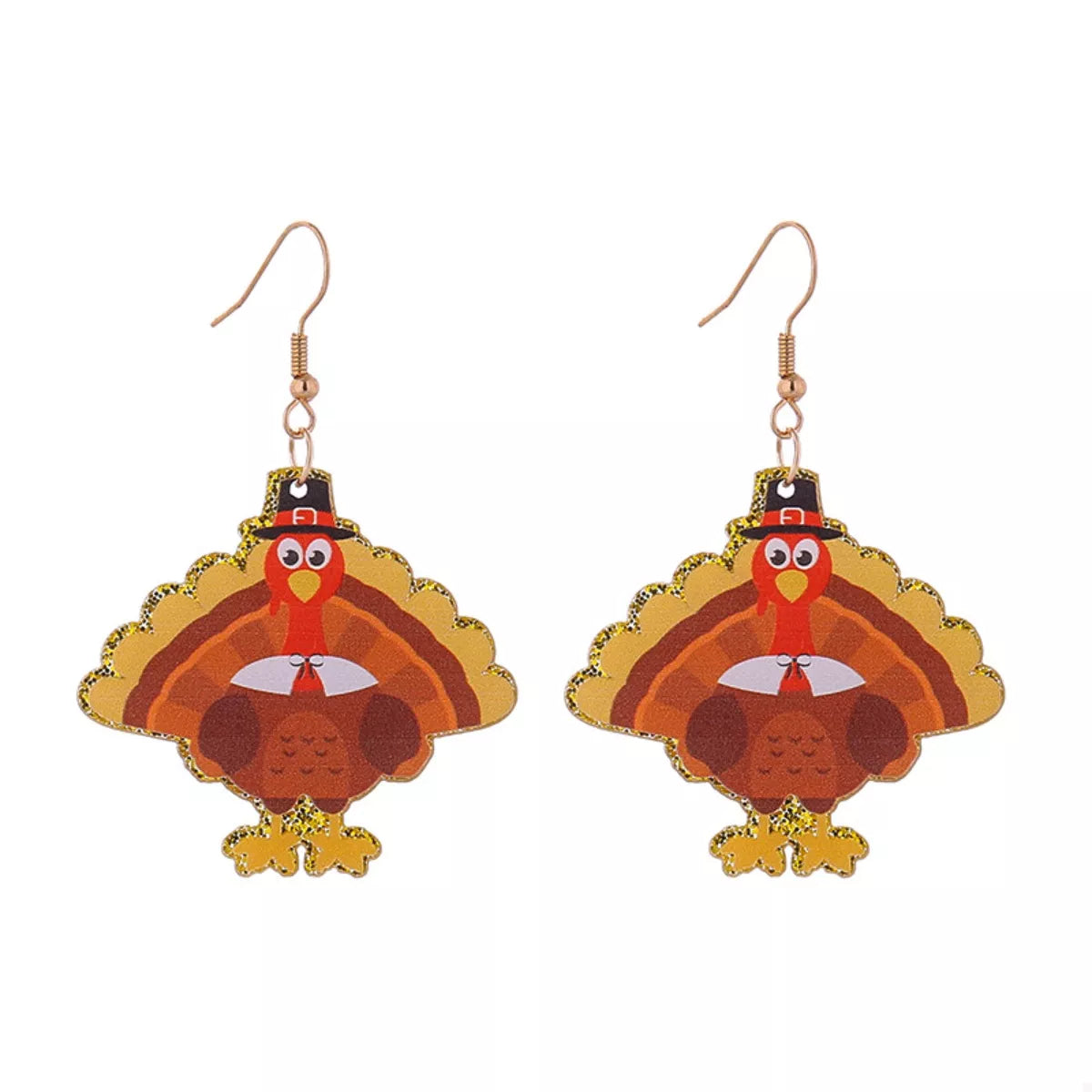
Personalized gifts often fall into the wearable art category because they require thought and collaboration. A custom embroidered hoodie with a friend's favorite flower, a pair of earrings that match a birthstone, or a hand-painted tote bag with an inside joke. Those gifts feel different from something picked off a shelf. They show that the giver paid attention.
I once gave a friend a beaded cuff made by an artisan jeweler who uses recycled glass. The cuff had deep blue beads that reminded me of the ocean near her childhood home. She wore it every day for a year. That is the power of wearable art. It connects the maker, the giver, and the wearer in a single object. It is not just a thing. It is a story.